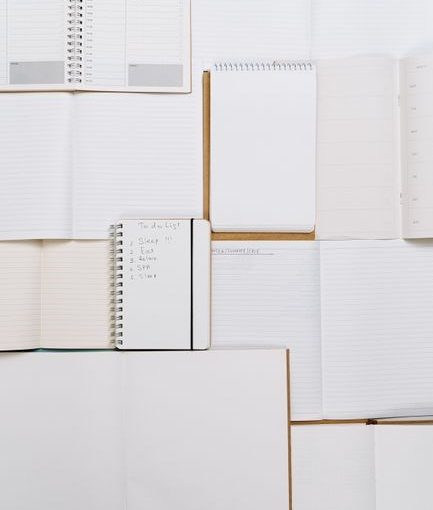
Planner sizes vary from pocket‑sized to full‑size‚ each catering to different planning habits. Understanding dimensions‚ paper area‚ and portability helps choose the right format for daily tasks‚ goal tracking‚ or travel use. This guide explains key measurements and practical implications. Ideal for balance now
What Defines Planner Size
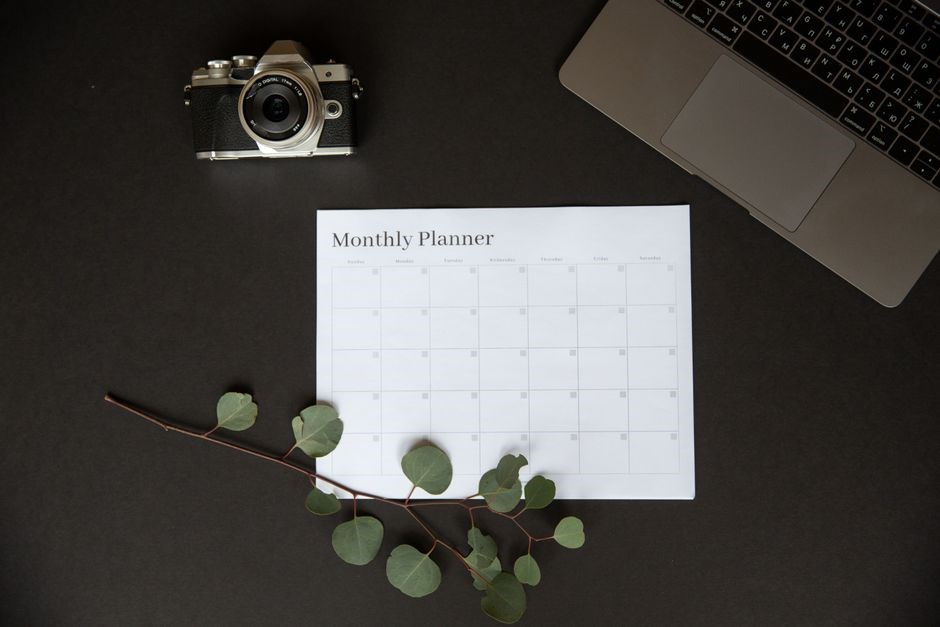
Planner size is determined by a combination of physical dimensions‚ paper area‚ binding style‚ and intended use. The most common metric is the height and width of the finished book‚ often expressed in inches or millimeters. A typical planner measures roughly 8.5 × 11 in (216 × 279 mm)‚ providing ample space for daily spreads and weekly overviews. Pocket planners range from 4.75 × 3.25 in (120 × 81 mm) to 5 × 3.5 in (127 × 89 mm)‚ fitting comfortably in a briefcase or backpack for on‑the‑go use.
Binding type also influences size perception. The number of rings or coils can affect the overall thickness‚ making a planner appear larger even if the sheet dimensions remain constant.
Paper quality and layout design further define the functional size. Thick‚ acid‑free stock supports heavy‑ink pens and sticky notes‚ whereas thinner stock keeps the planner lightweight. Layouts with wide margins or large daily blocks consume more space per page‚ effectively increasing the planner’s “usable” area. Conversely‚ dense‚ column‑based spreads maximize information density but may feel cramped for users who prefer free‑form writing.
Finally‚ the use—whether for daily tasks‚ goal setting‚ journaling‚ or travel—guides size. A planner that “has enough space for daily planning” yet “still fits in most bags” balances portability and productivity; Those who “like to see everything at a glance” may opt for a larger format‚ while “compact options” serve users who value lightness.
Standard Planner Dimensions
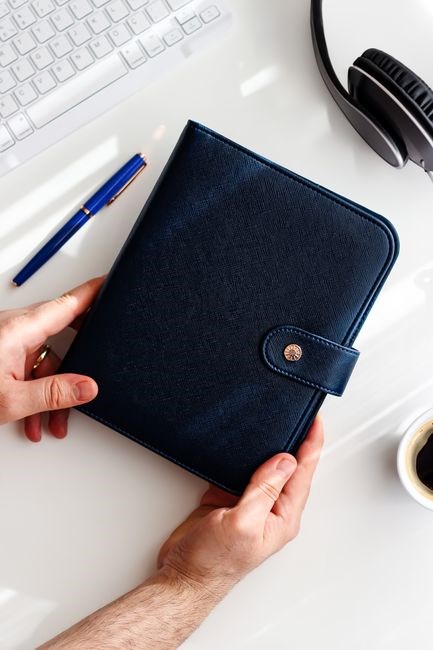
Standard planners typically measure 8.5 × 11 in (216 × 279 mm) offering generous daily and weekly spreads. Many brands offer 8 × 10 in or 7 × 9 in variants‚ slimmer yet still ample for notes. These sizes balance presence with portability‚ fitting briefcases and backpacks.daily
Common Full-Size Planners
Full‑size planners dominate the market because they provide ample space for daily schedules‚ long‑term goal charts‚ and creative journaling. The most prevalent dimensions are 8.5 × 11 in (216 × 279 mm)‚ 8 × 10 in (203 × 254 mm)‚ and 7 × 9 in (178 × 229 mm). These sizes accommodate double‑column layouts‚ weekly spreads‚ and monthly overviews without cramping the user’s handwriting or sticky‑note additions. Brands such as Filofax‚ Kikki‑K‚ and Muji offer full‑size options that feature sturdy covers‚ spiral or ring binding‚ and high‑quality paper that resists bleed‑through. Many planners also include perforated pages for easy removal‚ pocket inserts for receipts or notes‚ and elastic closures to keep pages secure. The larger format is especially popular among professionals who need to track meetings‚ deadlines‚ and project milestones in one glance. Students and creatives also favor full‑size planners because the generous surface area allows for sketching‚ mind‑mapping‚ and color‑coding. When choosing a full‑size planner‚ consider the paper weight (typically 80–100 gsm)‚ the presence of a built‑in calendar‚ and whether the cover is leather‑bound or hardback. A heavier paper reduces ink bleed‚ while a flexible cover makes the planner easier to carry in a briefcase or backpack. Ultimately‚ full‑size planners strike a balance between visibility and portability‚ making them a reliable choice for anyone who wants a comprehensive planning tool that can grow with their ambitions.
Mini and Small Planners
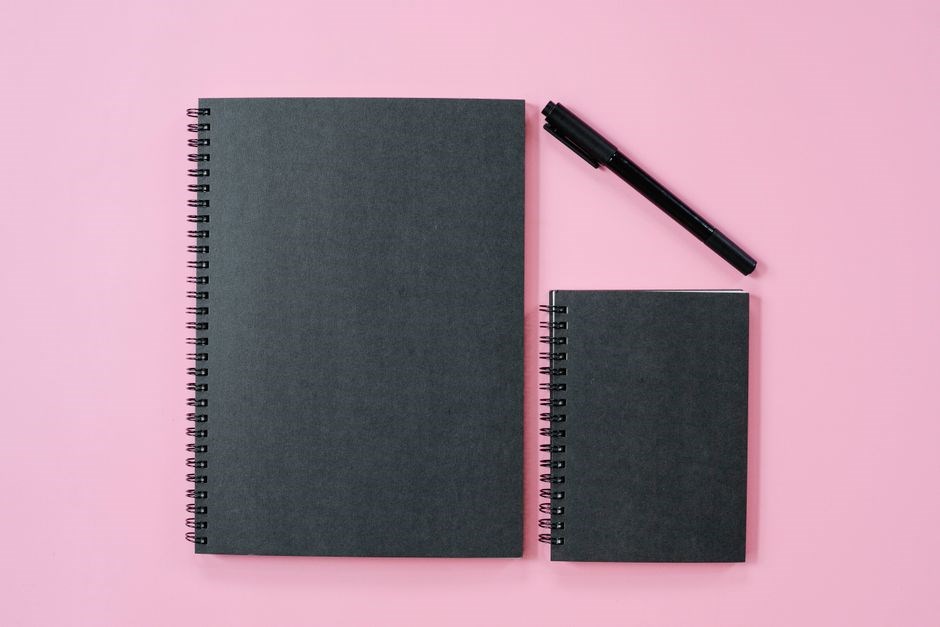
Mini and small planners appeal to users who prioritize portability and concise organization. Common dimensions include 5 × 7 in (127 × 178 mm)‚ 5 × 8 in (127 × 203 mm)‚ and 4 × 6 in (102 × 152 mm). These sizes fit easily into briefcases‚ backpacks‚ or a large pocket‚ making them ideal for commuters‚ travelers‚ and students on the go. Many brands‚ such as Kikki‑K’s “Mini” line‚ offer spiral or ring binding with a lightweight cover‚ while others provide a hardback or leather finish for a premium feel. Paper quality varies from 70 gsm stock suitable for fountain pens to 80 gsm for ballpoint use‚ and some models include perforated pages for quick removal. Features often found in mini planners include a daily or weekly spread‚ a small monthly calendar‚ a to‑do list section‚ and a pocket for receipts or notes. Some designs incorporate a built‑in elastic band or a magnetic closure to keep the planner secure during travel. The compact format encourages users to focus on essential tasks‚ reducing the tendency to over‑plan or clutter. Because of their size‚ mini planners are also popular for habit tracking‚ gratitude journaling‚ and short‑term goal setting. When selecting a mini planner‚ consider the binding type‚ paper weight‚ and whether the layout aligns with your planning style. A well‑chosen mini planner can provide the same functional benefits as a larger model while offering the convenience of a lightweight‚ travel‑friendly companion. Mini planners often feature a minimalist aesthetic‚ with clean lines and subtle color palettes that appeal to users who prefer a distraction‑free workspace. Some models include a small section for notes or doodles‚ allowing quick sketches between appointments; The compact size also makes them ideal for use in public transportation‚ where space is limited and a larger planner would be cumbersome. Many manufacturers offer refillable options‚ so users can replace worn pages without discarding the entire planner. This sustainability aspect is increasingly important to eco‑conscious consumers. When traveling‚ the lightweight nature of a mini planner means it can be carried in a handbag or even a small backpack without adding significant weight. For professionals who need to jot down ideas on the fly‚ the small format encourages quick‚ concise entries that are easy to review later. Some mini planners also include a small pocket or elastic band for storing business cards‚ receipts‚ or travel tickets. Overall‚ the appeal of mini and small planners lies in their blend of portability‚ functionality‚ and style‚ making them a versatile choice for a wide range of users. Their compact nature also makes them perfect for jotting down spontaneous ideas during meetings or while commuting‚ ensuring no thought is lost.
Pocket Planner Size and Compatibility
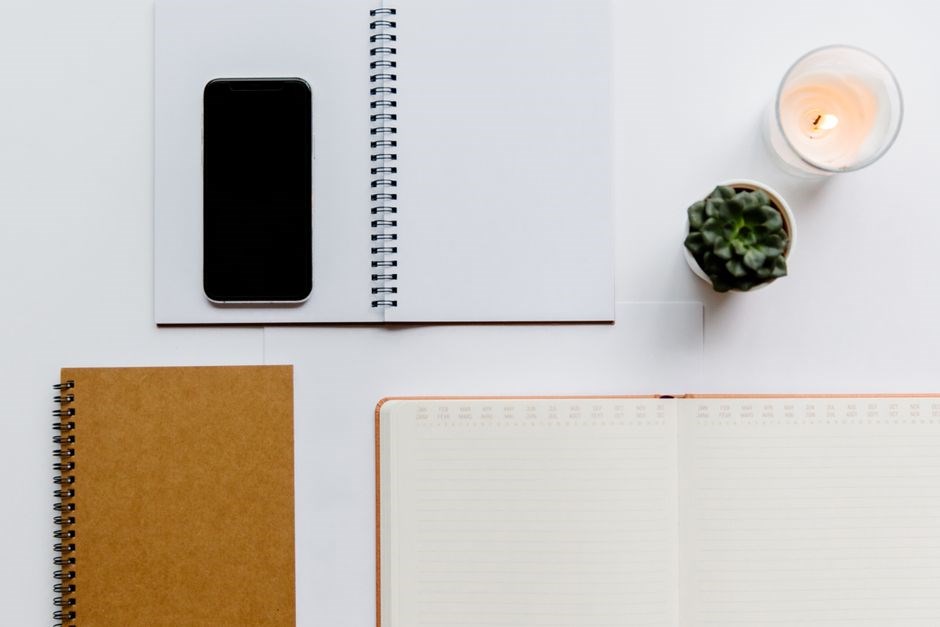
Pocket planners typically measure 4.75 in × 3;25 in (120 mm × 81 mm). They fit most 6‑ring binders like Filofax‚ Foxy Fix‚ and Louis Vuitton agendas. Compatibility with standard ring sizes ensures easy swapping of inserts and accessories. They are lightweight‚ under 200 g‚ fitting easily in any tote. bag. now
Ringbound Pocket Planner Specifications
Ringbound pocket planners are engineered for maximum portability without sacrificing functionality. The standard size is 4.75 in × 3.25 in (120 mm × 81 mm)‚ a dimension that comfortably fits in most 6‑ring binders such as Filofax‚ Foxy Fix‚ Louis Vuitton‚ and Kikki K. The 6‑ring system provides a secure yet flexible mounting‚ allowing users to add or remove pages as needed. Paper quality varies from 80 gsm premium stock for daily spreads to 90 gsm for goal‑setting sheets‚ ensuring a smooth writing experience on both ballpoint and gel pens. Many manufacturers offer perforated edges for easy removal‚ and some include a built‑in elastic band to keep the planner closed when not in use. Compatibility is a key feature: the 4.75 in × 3.25 in format aligns with the standard 6‑ring pocket size‚ meaning it can be inserted into a wide range of existing planners or used as a standalone binder. This universality also extends to accessories—clip‑in stickers‚ page dividers‚ and custom covers are readily available. Weight typically ranges from 180 g to 220 g‚ depending on paper thickness and cover material‚ making it light enough for daily commutes yet sturdy enough to protect contents. Some models incorporate a soft‑touch cover or a leatherette finish for a premium feel‚ while others use recycled cardboard for eco‑friendly options. Additional features often include a front pocket for business cards or receipts‚ a magnetic closure for added security‚ and a detachable pen holder. Many pocket planners also come with a set of pre‑printed templates—daily‚ weekly‚ and monthly—allowing users to switch between planning styles without buying separate notebooks. The combination of a compact footprint‚ versatile ring system‚ and customizable accessories makes ringbound pocket planners an ideal choice for professionals‚ students‚ and travelers alike. Users appreciate the ability to personalize the planner with stickers‚ washi tape‚ or handwritten notes‚ creating a unique planning experience. With its blend of practicality and style‚ the ringbound pocket planner stands out as a versatile tool that adapts to any lifestyle‚ ensuring that every plan‚ appointment‚ and aspiration is neatly organized and easily accessible.
Planner Use Cases by Size
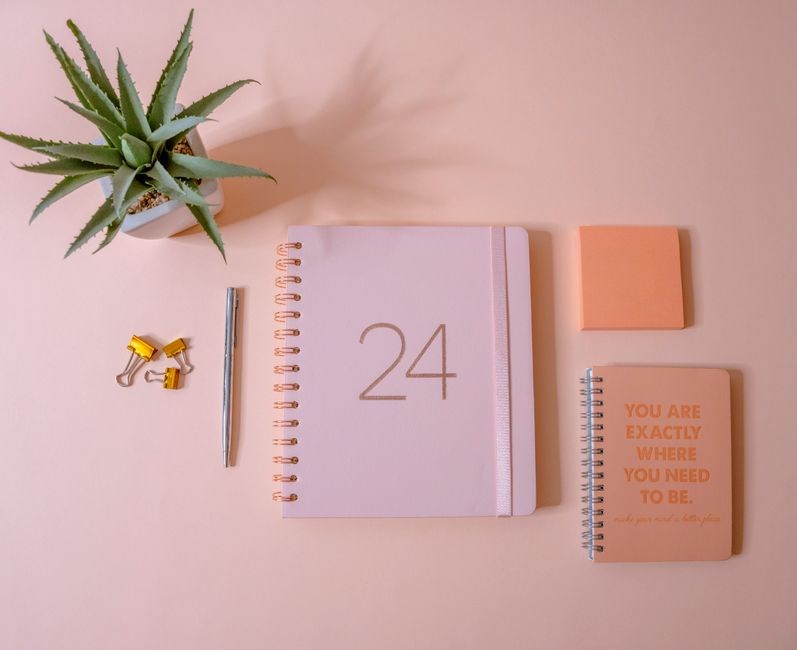
Full‑size planners excel at daily scheduling‚ offering ample space for detailed notes and long‑term goals. Mini and pocket planners suit on‑the‑go tasks‚ fitting in bags while still providing quick access to appointments and short‑term checklists. Ideal for commuters. daily.
Daily Planning in Full-Size
Full‑size planners‚ typically ranging from 8.5×11 inches to 9×12 inches‚ offer expansive pages that accommodate detailed daily schedules‚ multi‑hour blocks‚ and extensive to‑do lists. Their generous paper area allows users to write legibly‚ add color‑coded markers‚ and integrate habit trackers or mini‑goal charts without cramping. The larger format also supports the inclusion of weekly spreads‚ monthly overviews‚ and quarterly goal sheets‚ making it ideal for professionals who need a comprehensive view of their commitments. Many full‑size planners feature perforated pages or a ring‑bound design that lets you add‚ remove‚ or rearrange sections as priorities shift. The spacious layout encourages a structured approach: morning blocks for appointments‚ midday slots for tasks‚ and evening reflections. Additionally‚ the extra room is perfect for jotting down meeting notes‚ brainstorming ideas‚ or sketching quick diagrams. For those who prefer a tactile experience‚ full‑size planners often come with thick‚ high‑quality paper that resists bleed‑through and supports fountain pens‚ markers‚ and highlighters. The larger size also means a planner can comfortably fit into a briefcase or laptop bag‚ ensuring you have your schedule at hand during travel or client meetings. Overall‚ full‑size planners provide the optimal balance of detail and visibility for daily planning‚ empowering users to stay organized‚ track progress‚ and maintain focus throughout the day. The larger pages reduce the need to flip pages constantly‚ which can interrupt flow and reduce productivity. Many users find that the visual clarity of a full‑size layout helps them prioritize tasks more effectively‚ as the eye can scan the entire day at a glance. In summary‚ full‑size planners are the go‑to choice for anyone who values comprehensive daily organization‚ ample writing space‚ and the flexibility to customize the layout to fit their workflow; They also support collaborative planning sessions.
Goal-Setting and Journaling
When selecting a planner for goal‑setting and journaling‚ size plays a pivotal role in how effectively you can capture intentions‚ track progress‚ and reflect on experiences. Full‑size planners provide ample space for detailed weekly spreads‚ monthly goal charts‚ and daily habit daily and trackers!! The generous paper area lets you write reflections‚ sketch mind maps‚ and quotes without feeling cramped.! Manymodels feature thick paper that resists bleed‑through‚ideal for pens‚markers‚and pencils—tools used in journaling.!! For those who prefer a compact format‚ mini or pocket planners (4.75×3.25 inches) can still accommodate goal‑setting but require concise entries and rely on bullet‑point lists daily and checklists.!! These smaller planners are excellent for on‑the‑go note‑taking and quick progress checks‚ especially when paired with a digital backup. However‚ the limited space can constrain the depth of reflection and the ability to track multiple metrics simultaneously. Therefore‚ if your journaling style involves detailed narratives or sketches‚ a full‑size planner is usually the best fit for daily and use!! Conversely‚ if you value portability and prefer short‚ actionable notes‚ a pocket planner may suffice. Ultimately‚ the right size depends on how much depth you want in your goal‑setting process and how often you plan to review and adjust your objectives. A larger planner encourages a holistic view‚ while a smaller one promotes focused‚ bite‑size action steps. Choosing the right size keeps your journaling and goal‑setting sustainable daily and engaging for the long term.
Choosing the Right Size for Your Needs
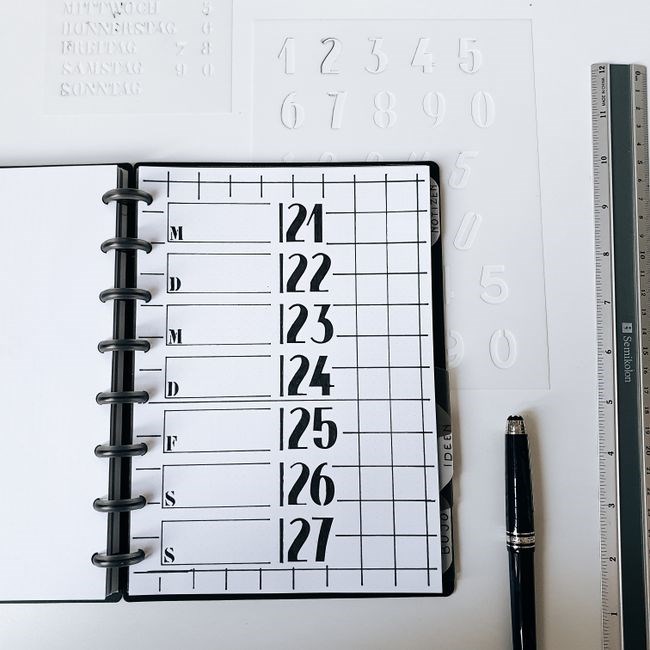
Consider travel habits‚ workspace‚ and task volume. A full planner offers room for detailed spreads‚ while a pocket model excels in portability. Match paper thickness to writing tools‚ and choose dimensions that fit your bag or desk without sacrificing usability.
Portability vs; Space
Choosing between a compact pocket planner and a larger full‑size book hinges on how you move and work. A pocket model‚ typically 4.75” × 3.25”‚ slips into a briefcase‚ backpack‚ or even a wallet‚ making it ideal for commuters‚ travelers‚ and those who prefer a minimalist carry. Its smaller footprint also means fewer pages‚ which can reduce printing costs and keep the planner lightweight.
Conversely‚ a full‑size planner‚ often 7” × 10”‚ offers generous writing space‚ multiple weekly spreads‚ and the ability to include detailed agendas‚ habit trackers‚ and large goal sheets. The extra area accommodates thicker paper‚ which is preferable for fountain pens or markers‚ and allows for more elaborate layouts. However‚ the larger dimensions can make it cumbersome to fit in a small bag or desk drawer‚ and the weight may become an issue during long days on the road.

Ultimately‚ assess your daily routine: if you’re constantly on the move and need quick access‚ a pocket planner’s portability wins. If you spend long hours at a desk and value expansive layouts for in‑depth planning‚ the space of a full‑size planner is worth the trade‑off. Some users even combine both‚ using a pocket planner for on‑the‑go notes and a full‑size book for comprehensive weekly planning. Your planner becomes a daily ally every day.
Afterexploring thespectrum of planner sizes—from pocket‑sized models that fit in a wallet to full‑size books that provide ample writing space—readers can now align their choice with daily habits‚ travel needs‚ and personal aesthetics. keytakeawayis that no single size dominates; each offers distinct advantages that cater to specific planning styles. Pocket planners excel in portability‚ making them perfect for commuters‚ frequent travelers‚ and anyone who values a lightweight companion that can slip into a briefcase or backpack. Their compact dimensions also reduce bulk‚ allowing for quick note‑taking on the go.
Full‑size planners‚ on the other hand‚ deliver generous paper area‚ enabling detailed agendas‚ habit trackers‚ and multi‑week spreads that support long‑term goal setting. The larger format accommodates thicker paper‚ which is beneficial for fountain pens or markers‚ and offers room for creative layouts and decorative elements. For users who spend extended periods at a desk or who prefer a comprehensive view of their schedule‚ the expanded space can enhance productivity and organization.

Ultimately‚ the decision hinges on balancing portability with the need for space. Consider how often you travel‚ the amount of writing you do daily‚ and the type of paper you prefer. Some planners even blend both worlds by offering a pocket‑size version for on‑the‑go use and a full‑size version for in‑depth planning. Bymatchingtheplanner’sdimensions to your lifestyle‚ you can transform act planning from a chore a seamless enjoyable routine!!!!!!!!!!