
The International Association of Chiefs of Police (IACP) provides the Law Enforcement Code of Ethics, outlining fundamental principles and standards of conduct for sworn officers. It serves as a crucial foundation for ethical policing, emphasizing integrity, respect for law, and community protection. This document guides conduct, ensuring officers uphold public trust and their commitment to service.
Primary Purpose of the Code
The primary purpose of the Law Enforcement Code of Ethics is multifaceted, designed to establish a clear moral and professional compass for all sworn officers. Fundamentally, it aims to ensure that every peace officer is fully aware of their individual responsibilities to uphold their own integrity and that of their agency. This vital awareness is instilled early, with the Code being formally administered during basic training or at the time of appointment, as often mandated by regulations, such as California Code of Regulations, Title 11, Section 1013.

Provided by organizations like the International Association of Chiefs of Police (IACP), the Code outlines fundamental principles and rigorous standards of conduct. It serves as a foundational document for ethical policing, emphasizing unwavering integrity, profound respect for the law, and dedicated protection of communities. This commitment extends to public service, ensuring officers consistently operate within legal frameworks as official government representatives. The Code thereby acts as a crucial preface to the overall mission and commitment of policing, guiding officers to work diligently within their conferred statutory powers and duties, fostering public trust and accountability.
IACP’s Role in Outlining Principles
The International Association of Chiefs of Police (IACP) plays a pivotal and authoritative role in defining the ethical framework for law enforcement. Since its initial adoption of the Law Enforcement Code of Ethics on October 17, 1989, and with subsequent updates, including a notable one in 2024, the IACP has consistently served as the leading body in outlining the fundamental principles and standards of conduct for sworn officers globally. This enduring commitment positions the IACP’s Code as a crucial preface to the core mission and overarching commitment of policing.
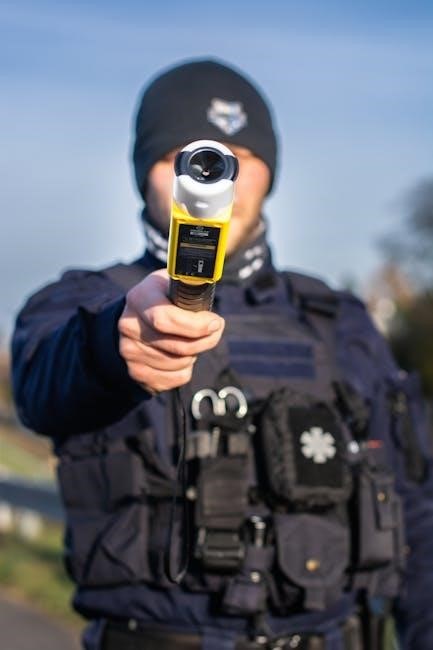
Through its meticulously crafted Code, the IACP articulates the essential duties and responsibilities incumbent upon every law enforcement professional; It provides a comprehensive guide that clarifies that a police officer acts as an official representative of government, entrusted and required to operate strictly within the bounds of the law. The Code emphasizes that officers’ powers and duties are explicitly conferred by statute, underscoring the legal and ethical parameters of their authority. By meticulously outlining these principles, the IACP ensures a consistent and high standard of ethical practice across the profession, safeguarding public trust and promoting accountability. Its continuous updates reflect an adaptive approach to contemporary challenges, maintaining the Code’s relevance and efficacy in an evolving societal landscape.
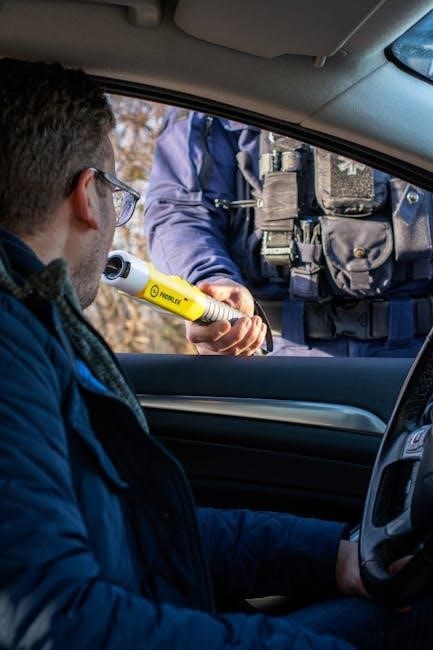
Fundamental Duties of a Law Enforcement Officer
A Law Enforcement Officer’s fundamental duty is to serve the community; safeguard lives and property; protect the innocent, weak, and peaceful. Respecting Constitutional rights of all persons to liberty, equality, and justice is essential.
Serving the Community and Safeguarding Lives and Property
As a Law Enforcement Officer, the fundamental duty is to serve the community; to safeguard lives and property. This foundational principle, central to the Law Enforcement Code of Ethics, obliges officers to prioritize the well-being of all citizens. Serving the community involves proactive engagement and fostering a safe environment. Safeguarding lives means responding swiftly to emergencies, protecting individuals from harm, and providing crucial assistance during any crisis. This includes preventing criminal acts such as theft, vandalism, and destruction of both public and private assets. Officers are committed to investigating such incidents diligently, ensuring accountability. Their presence deters crime and builds public confidence. By upholding these responsibilities, officers demonstrate their commitment to ethical policing. This unwavering dedication to service and protection forms the bedrock of public trust, aligning directly with the ethical expectations of the law enforcement profession and ensuring community peace.
Protecting the Innocent, Weak, and Peaceful
As a Law Enforcement Officer, a fundamental duty is to protect specific vulnerable groups. The Law Enforcement Code of Ethics explicitly states this vital commitment: to protect the innocent against deception, the weak against oppression or intimidation, and the peaceful against violence or disorder. This principle highlights the officer’s crucial role as a guardian. Protecting the innocent involves safeguarding individuals from fraud, manipulation, and exploitation. For the weak, officers must prevent intimidation and abuse, acting as a bulwark against those exploiting vulnerability. Maintaining peace means shielding citizens from disorder and aggression, allowing them to live without fear. This protective function is essential for upholding justice, ensuring community members, irrespective of strength, rely on law enforcement for safety and fairness. It is a cornerstone of public service, reflecting ethical responsibility.
Respecting Constitutional Rights of All Persons
The Law Enforcement Code of Ethics unequivocally mandates that officers respect the Constitutional rights of all persons. This fundamental duty ensures liberty, equality, and justice for every individual encountered, regardless of their background or circumstances. Officers, in their daily interactions, must uphold these rights without exception, recognizing that their authority is strictly bounded by constitutional principles and the rule of law. This commitment extends to safeguarding human dignity and protecting human rights, a principle also articulated in international codes of conduct, such as the one adopted by the United Nations General Assembly in 1979 for law enforcement officials. By rigorously adhering to these constitutional mandates, officers build and maintain public trust, demonstrating that the rule of law applies equally to everyone. This dedication prevents arbitrary actions, ensures due process, and reinforces the foundation of a just society where individual freedoms are paramount. It means treating all citizens with fairness, impartiality, and profound respect for their inherent rights and legal protections at all times. This continuous adherence to constitutional principles is central to ethical policing and maintaining the integrity of the justice system.

Core Principles of Ethical Policing
Upholding integrity and agency standards is paramount in ethical policing. Officers must enforce laws courteously and appropriately, acting without fear, favor, malice, or ill will. Avoiding unnecessary force or violence ensures public trust and adherence to professional conduct, embodying the core values of service.
Maintaining Integrity and Agency Standards
Maintaining individual and agency integrity forms the bedrock of ethical policing, a responsibility explicitly outlined in the Law Enforcement Code of Ethics. This vital document, administered during basic training or upon appointment, ensures every peace officer fully understands their duty to uphold personal and institutional integrity. The International Association of Chiefs of Police (IACP) rigorously defines these fundamental principles and standards of conduct for sworn officers, serving as an unwavering guide for professional behavior. An officer’s steadfast commitment to these standards cultivates public faith and trust, recognizing the badge as a powerful symbol of public confidence. Adherence to these ethical requirements signifies a deep dedication to law enforcement service, directly reinforcing the agency’s reputation and operational effectiveness. This demands continuous professional conduct, where actions consistently align with the highest ethical benchmarks. Such vigilance in maintaining integrity safeguards law enforcement credibility, promoting accountability and transparency. Officers must internalize these principles, integrating them into every decision and interaction, thus solidifying the ethical framework underpinning their duties. This ensures the trust bestowed by the community remains uncompromised, forming the foundation of effective policing and vital public service for all.
Enforcing Law Courteously and Appropriately
Enforcing the law courteously and appropriately is a fundamental cornerstone of the Law Enforcement Code of Ethics, reflecting an officer’s unwavering commitment to public service. This core principle dictates that officers must execute their duties without fear or favor, malice, or ill will, ensuring absolute impartiality in every interaction. The professional conduct of an officer, characterized by respect and proper demeanor, directly influences public perception and trust. When officers enforce regulations with courtesy, they uphold the dignity of all individuals, reinforcing the constitutional rights to liberty, equality, and justice that they are sworn to protect. This approach also explicitly prohibits the employment of unnecessary force or violence, emphasizing de-escalation and proportionality in all situations. The badge, a powerful symbol of public faith, demands that officers consistently act with the highest ethical standards, treating citizens fairly and impartially regardless of their background or circumstances. Such appropriate enforcement builds stronger community relationships, fostering cooperation and mutual respect. It is a continuous demonstration of an officer’s dedication to the ethical framework, ensuring that justice is administered with both firmness and compassion, thereby solidifying the integrity of the law enforcement profession.
Conduct Without Fear, Favor, Malice, or Ill Will
Officers are mandated to conduct themselves without fear, favor, malice, or ill will, a critical tenet embedded within the Law Enforcement Code of Ethics. This principle underscores the absolute necessity for impartiality and objectivity in every action undertaken by a law enforcement professional. It means that personal prejudices, biases, or emotional responses must never influence judgment or the application of the law. Officers are expected to enforce statutes fairly and equitably, unswayed by the social standing, influence, or personal characteristics of any individual. The absence of fear ensures that duties are performed courageously, without intimidation from any source. Similarly, the rejection of favor eliminates preferential treatment, guaranteeing that justice is blind and consistent for all citizens. Malice or ill will have no place in professional conduct, as they would corrupt the very essence of public service and undermine the officer’s sworn duty to protect and serve without prejudice. Adhering to this ethical standard is paramount for maintaining the integrity of the agency and fostering enduring public trust. The IACP’s outlined principles explicitly guide officers to operate with such unbiased professionalism, ensuring equal protection under the law for everyone. This unwavering commitment to impartiality is a hallmark of ethical policing, safeguarding constitutional rights and promoting a just society.
Avoiding Unnecessary Force or Violence

A critical directive within the Law Enforcement Code of Ethics explicitly mandates officers to avoid the employment of unnecessary force or violence. This principle forms a cornerstone of ethical policing, emphasizing that any use of physical power must be strictly limited to situations where it is absolutely necessary and proportionate to the threat or resistance encountered. Officers are entrusted with significant authority, but this power comes with an immutable responsibility to exercise restraint and prioritize the safety and well-being of all individuals. The code clearly states that force should never be retaliatory, malicious, or excessive. Instead, it must be applied judiciously, only to overcome resistance, effect a lawful arrest, or protect life. Adherence to this standard is vital for upholding human dignity and safeguarding constitutional rights, particularly for the innocent, the weak, and the peaceful. By minimizing the use of force and eschewing violence when avoidable, law enforcement professionals reinforce public faith and trust in their service. This commitment ensures that police actions are perceived as legitimate and just, aligning with the highest standards of professional conduct and fostering positive community relations, as outlined by the IACP’s foundational principles for ethical policing.

Administration, Authority, and Public Trust

The Law Enforcement Code of Ethics is administered during training or appointment, embodying a public trust. The badge symbolizes this faith, with the IACP ensuring ongoing relevance by outlining fundamental duties and standards for ethical law enforcement service.
Code Administration During Training or Appointment
The formal introduction of the Law Enforcement Code of Ethics is a critical step in shaping an officer’s professional journey. This vital document is administered to every peace officer, typically during their initial basic training phase or at the pivotal moment of their official appointment. The primary purpose of this administration is to deeply instill an acute awareness of their individual responsibilities. It ensures that new recruits and appointed personnel fully comprehend the ethical standards expected of them, not only for their personal conduct but also for upholding the integrity of their respective law enforcement agency.
This formal process, often mandated by regulations like the California Code of Regulations, Title 11, Section 1013, signifies a solemn commitment. It serves as a foundational declaration, outlining the moral and professional obligations inherent in public service. By formally receiving and acknowledging the Code, officers embark on their careers with a clear understanding that their actions must consistently align with these prescribed ethical guidelines, fostering accountability and public trust from the outset of their service. This initial administration is more than a formality; it’s a pledge to uphold the highest standards.
The Badge as a Symbol of Public Faith and Trust

The badge worn by a law enforcement officer is far more than a mere piece of identification; it stands as a profound symbol of public faith and trust. Officers themselves recognize this significance, understanding that the emblem of their office represents the community’s belief in their commitment to justice and ethical conduct. Accepting the badge is, in essence, accepting a public trust—a sacred responsibility to be upheld with the highest standards of integrity. This trust is maintained only as long as an officer remains true to the rigorous ethics of law enforcement service.
The community bestows this trust upon officers, expecting them to embody the principles of fairness, impartiality, and unwavering dedication to protecting and serving. Every action taken while wearing the badge reflects not only on the individual officer but also on the entire agency and the broader profession. Therefore, the badge serves as a constant reminder of the ethical obligations and the need to consistently demonstrate honorable behavior, enforce laws courteously, and act without bias. Upholding the inherent public trust associated with the badge is paramount for maintaining legitimacy and fostering a strong, positive relationship between law enforcement and the citizens they are sworn to protect.
IACP Code Updates and Ongoing Relevance
The International Association of Chiefs of Police (IACP) initially adopted the Law Enforcement Code of Ethics on October 17, 1989, establishing a foundational framework for officer conduct. Recognizing the dynamic nature of society and policing, the IACP consistently reviews and updates this critical document to ensure its enduring applicability. For instance, the Code of Ethics was updated in 2024, serving as a vital preface to the evolving mission and commitment of law enforcement agencies.
These updates are crucial for maintaining the code’s ongoing relevance in modern policing. As new challenges emerge, such as technological advancements, shifting public expectations, and complex social issues, the ethical guidelines must adapt to effectively address contemporary concerns. Regular revisions ensure that the code continues to outline pertinent fundamental duties, principles, and standards of conduct for sworn officers, reflecting current best practices and societal values. This continuous refinement underscores the IACP’s dedication to providing a robust and responsive ethical compass, ensuring that the Law Enforcement Code of Ethics remains a living document that effectively guides officers and upholds public trust in an ever-changing world.
