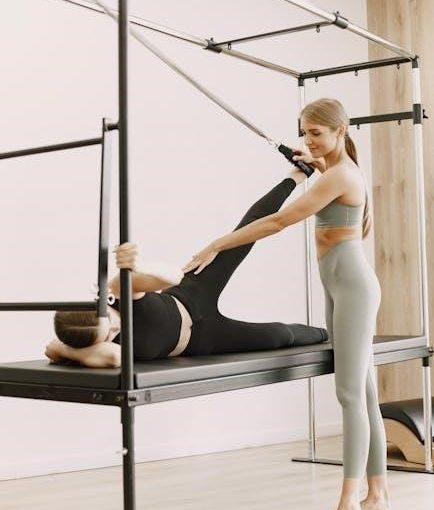
Stretching exercises are vital for managing spasticity in cerebral palsy, particularly spastic diplegia, addressing muscle tightness and improving functional movement patterns.
Understanding Cerebral Palsy
Cerebral Palsy (CP) encompasses a group of disorders impacting movement and posture, stemming from brain damage. Spasticity, a common characteristic, arises from disrupted control over reflexes, leading to increased muscle resistance. This loss of supraspinal control manifests differently depending on lesion location and severity. Consequently, muscles can shorten and contract over time, reducing range of motion and potentially causing bone deformities.
Specifically, spastic diplegia, a frequent CP type, often presents with tightness in hip flexors, hamstrings, psoas, and calf muscles, contributing to a flexed posture. Understanding these underlying mechanisms is crucial for effective stretching interventions.
The Role of Stretching in CP Management
Stretching plays a pivotal role in cerebral palsy management by counteracting the effects of spasticity and muscle contractures. Functional stretching exercises effectively reduce the hamstring-to-muscle ratio and enhance the popliteal angle, ultimately improving gait mechanics. By consistently applying passive dorsiflexion stretches, guided by a physiotherapist or performed independently, individuals can increase muscle length and range of motion.
These interventions address secondary structural changes within muscle fibers, aiming to restore optimal movement patterns and prevent further complications.

Types of Cerebral Palsy Benefiting from Stretching
Stretching benefits various CP types, especially spastic diplegia, addressing hip flexor, hamstring, psoas, and calf muscle tightness for improved posture.
Spastic Diplegia and Stretching
Spastic diplegia, the most common cerebral palsy form, significantly benefits from targeted stretching routines. Increased resistance to movement due to spasticity causes muscle contractures and decreased range of motion. Specifically, children with spastic diplegia often exhibit tightness in hip flexors, hamstrings, the psoas muscle, and calf muscles, leading to a flexed posture.
Functional stretching effectively reduces the hamstring-to-muscle ratio and increases the popliteal angle, demonstrably improving gait patterns. Passive dorsiflexion stretches, applied by a physiotherapist or even the child themselves, can acutely alter ankle range of motion and potentially increase muscle length.
Other CP Types & Stretching Considerations
While stretching is beneficial across cerebral palsy types, approaches must be tailored. Though research highlights spastic diplegia, individuals with other presentations—like spastic hemiplegia or athetosis—require individualized plans. Considerations include the specific muscles affected, the severity of spasticity, and the child’s overall functional abilities.
It’s crucial to remember that stretching should always be performed safely and with control. Always prioritize listening to the body, halting if pain or discomfort arises. Combining stretching with strengthening exercises enhances muscle tone and overall strength, vital for those experiencing weakness or spasticity.
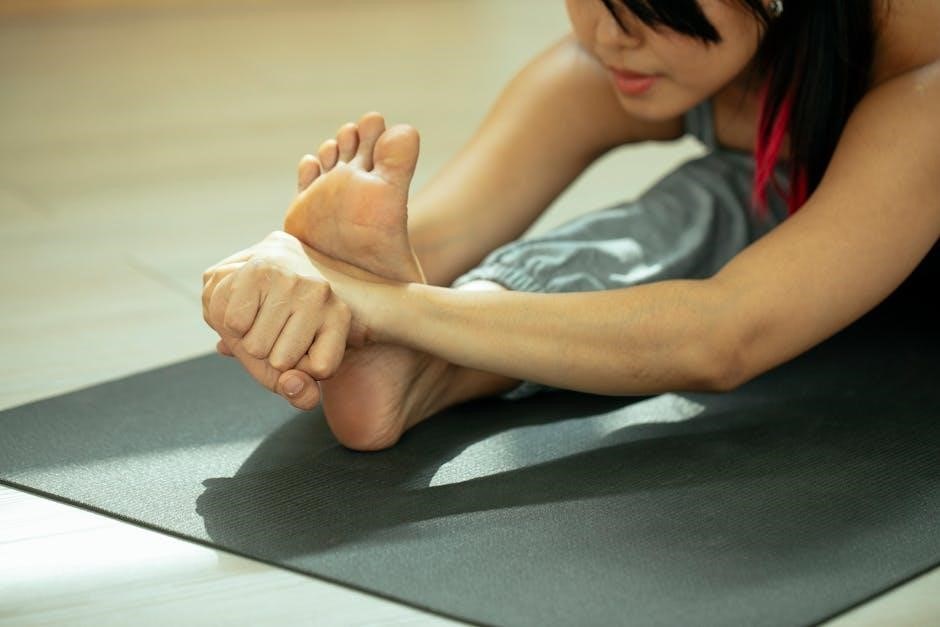
Benefits of Stretching Exercises for Cerebral Palsy
Stretching improves range of motion, reduces muscle contractures, and enhances gait and posture in children with cerebral palsy, promoting better function.
Increased Range of Motion (ROM)
Cerebral palsy often leads to decreased range of motion due to spasticity and muscle shortening; Consistent stretching combats this by gradually lengthening muscle fibers and improving joint flexibility. This is particularly noticeable in areas like the hamstrings, hip flexors, and calf muscles, commonly affected in spastic diplegia.
Increased ROM facilitates easier movement, reducing the energy expenditure required for daily activities. Improvements in joint angles, such as the popliteal angle, directly correlate with enhanced gait patterns and overall functional mobility. Regular stretching helps prevent further limitations and maintain optimal physical capabilities.
Reduction of Muscle Contractures
Muscle contractures, a common consequence of cerebral palsy, develop due to prolonged spasticity and secondary changes within muscle fibers – a decrease in sarcomeres contributes to this. Consistent stretching interventions aim to counteract this process by elongating shortened muscles and reducing resistance to passive movement.
By regularly applying sustained stretches, the viscous properties of connective tissues are altered, preventing further tightening. This proactive approach minimizes the risk of bone deformities associated with severe contractures, preserving joint alignment and optimizing functional abilities. Early intervention is crucial for effective management.
Improved Gait and Posture
Stretching significantly impacts gait and posture in individuals with cerebral palsy, particularly those with spastic diplegia who often exhibit a flexed posture due to tight hip flexors, hamstrings, and calf muscles. By increasing range of motion in these key muscle groups, stretching helps to correct abnormal biomechanics during walking.
Reduced muscle tightness allows for a more symmetrical and efficient gait pattern, minimizing energy expenditure and improving overall stability. Improved posture contributes to better balance and coordination, enhancing functional independence and participation in daily activities.
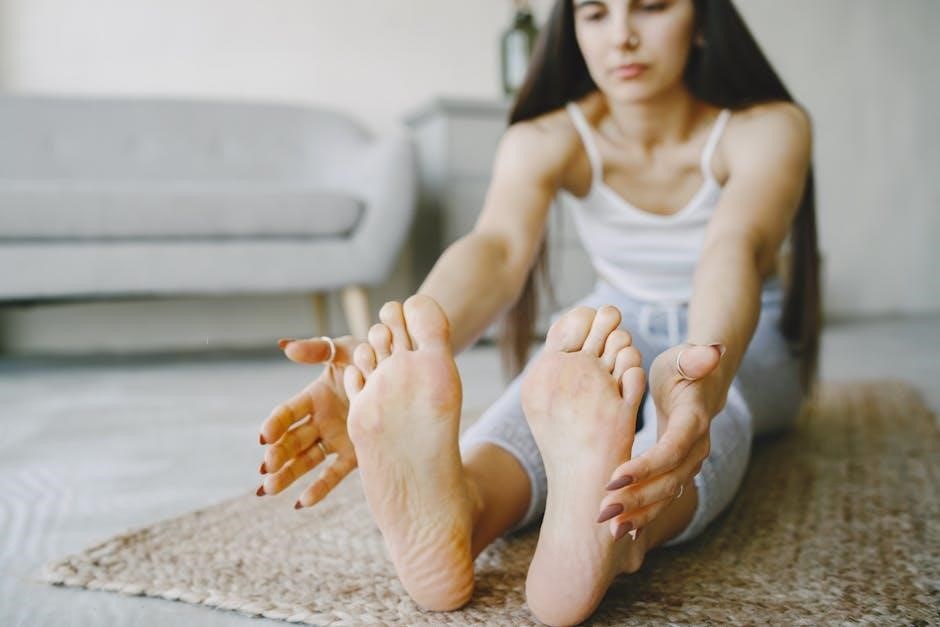
Key Muscle Groups to Target with Stretching
Targeted stretching should focus on hamstrings, hip flexors, calf muscles, and the psoas, as tightness in these areas commonly restricts movement in cerebral palsy.
Hamstring Stretching
Hamstring tightness is frequently observed in children with spastic diplegia, contributing to a flexed posture and gait deviations. Effective hamstring stretching is crucial for improving lower limb flexibility and function. A towel hamstring stretch, as demonstrated by Alexandra Hospital SG on YouTube, is a gentle and accessible method.
This involves looping a towel around the foot while lying supine, gently pulling the leg towards the body. Maintaining a consistent, controlled stretch, avoiding bouncing, is essential. Regular hamstring stretching can help reduce the hamstring-to-muscle (HM) ratio and increase the popliteal angle, positively impacting gait mechanics.
Hip Flexor Stretching
Hip flexor tightness significantly impacts posture and gait in individuals with cerebral palsy, often leading to hip and knee flexion contractures; Addressing this tightness is paramount for improving functional mobility. Stretching exercises should be incorporated regularly into a rehabilitation program.
While specific techniques aren’t detailed in the provided resources, gentle stretches focusing on lengthening the hip flexors are beneficial. Combining hip flexor stretches with hamstring stretches can address the reciprocal muscle imbalances commonly seen in spastic diplegia, improving overall lower limb alignment.
Calf Muscle Stretching
Calf muscle tightness, particularly gastrocnemius and soleus, is frequently observed in children with cerebral palsy, contributing to equinus foot deformity and gait abnormalities. Regular stretching is crucial for improving ankle dorsiflexion and promoting a more functional gait pattern.
The American Council on Exercise provides guidance on a seated calf stretch, which can be adapted for individuals with CP. Ensuring proper positioning and avoiding overstretching are essential. Consistent application of these stretches can help increase range of motion and reduce spasticity.
Psoas Stretching
Psoas muscle tightness significantly impacts posture and gait in individuals with cerebral palsy, often leading to hip flexor contractures and a flexed posture. Addressing this tightness is essential for improving pelvic alignment and functional mobility;
Effective psoas stretches require careful consideration of individual limitations and should be performed under the guidance of a physiotherapist. Modifications may be needed to accommodate spasticity or limited range of motion. Consistent stretching can help restore optimal hip flexibility.
Specific Stretching Exercises for Cerebral Palsy
Targeted stretches, like towel hamstring, seated calf, and passive dorsiflexion, are crucial for improving range of motion and addressing muscle imbalances in children.
Towel Hamstring Stretch
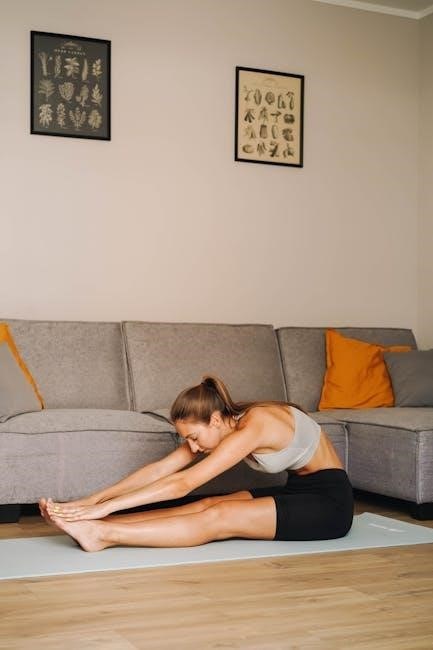
The towel hamstring stretch is a gentle, effective exercise for improving flexibility in the hamstrings, commonly tight in individuals with cerebral palsy. Lie on your back with one leg extended. Loop a towel around the foot of the affected leg, holding the ends of the towel with both hands.
Slowly pull back on the towel, gently straightening the knee until a comfortable stretch is felt in the back of the thigh. Maintain the stretch for 20-30 seconds, repeating several times. This exercise, demonstrated in resources from Alexandra Hospital SG on YouTube, aids in increasing the popliteal angle and reducing hamstring tightness, ultimately improving gait and posture.
Seated Calf Stretch
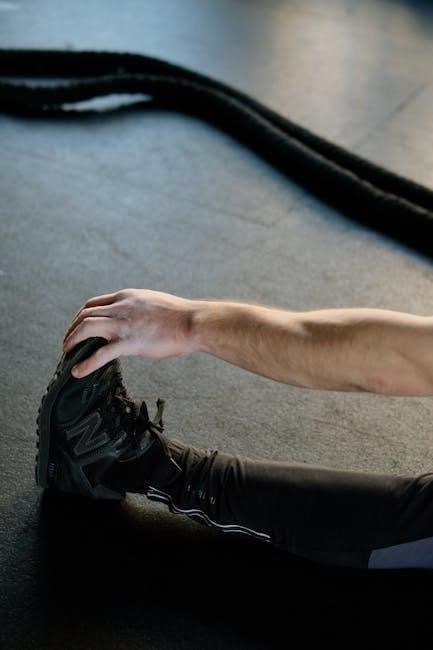
The seated calf stretch effectively targets tightness in the calf muscles, a common issue impacting gait in cerebral palsy. Sit on the floor with legs extended. Loop a towel around the toes of the affected leg, holding the ends with your hands. Gently pull back on the towel, flexing the foot towards your shin until a stretch is felt in the calf.
Hold for 20-30 seconds, repeating several times. As outlined by the American Council on Exercise, this stretch increases ankle range of motion and can be incorporated into a broader stretching routine to improve overall lower limb flexibility and function.
Standing Hip Abduction Stretch
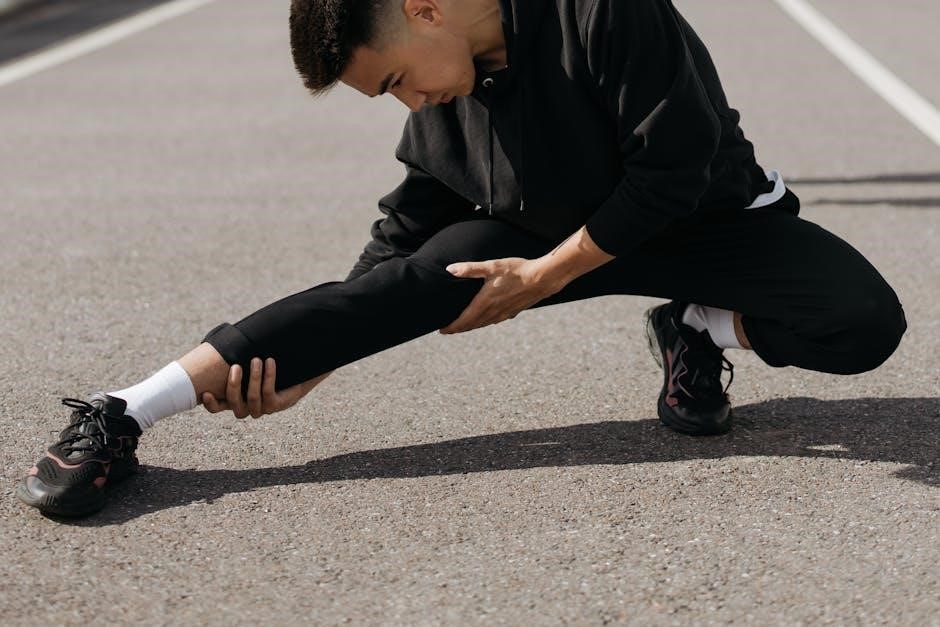
The standing hip abduction stretch targets hip adductors, often tight in individuals with cerebral palsy, impacting posture and gait. Stand near a wall for support. Cross one leg behind the other, keeping both feet flat on the floor. Gently lean towards the side of the leg that is crossed behind, feeling a stretch in the inner thigh.
Maintain a straight back and avoid overstretching. Hold for 20-30 seconds, repeating several times. The American Council on Exercise details this exercise, emphasizing controlled movements for optimal benefit and safety during rehabilitation.
Passive Dorsiflexion Stretch
The passive dorsiflexion stretch aims to increase ankle range of motion, crucial for gait improvement in cerebral palsy. Have the individual sit or lie down with their leg extended. Gently pull the toes upwards towards the shin, holding the position for 20-30 seconds.
A physiotherapist often applies this stretch, monitoring for discomfort. Research indicates acute stretching can alter ankle ROM and potentially increase muscle length. Ensure a slow, controlled movement, avoiding any pain, as detailed in studies examining stretch techniques.
Important Considerations Before Starting
Safety is paramount; always prioritize controlled movements, listen to the body’s signals, and consult a physiotherapist before initiating any stretching program.
Safety Precautions
Prioritize a safe environment free from obstacles. Ensure proper positioning and support during exercises to prevent falls or injuries. Never force a stretch beyond the child’s comfortable range of motion; pain indicates a limit has been reached. Constant supervision is crucial, especially with children who have limited motor control.
Avoid quick or bouncing movements, opting for slow, controlled stretches. Be mindful of potential skin sensitivity or fragility. Regularly assess the child’s response to stretching, noting any signs of discomfort or fatigue. Communication with the child and their caregiver is essential to understand their needs and limitations.
Listening to Your Body
Pay close attention to any sensations during stretching – mild tension is expected, but sharp pain is a signal to stop immediately. Respect individual limits; each day may present varying levels of flexibility and tolerance. Communicate any discomfort or fatigue to a caregiver or therapist promptly.
Avoid pushing through pain, as this can exacerbate muscle tightness or cause injury. Recognize that progress isn’t always linear; setbacks are normal. Prioritize comfort and well-being over achieving a specific stretch position. Self-awareness is key to a safe and effective stretching routine.
Consultation with a Physiotherapist
Seeking guidance from a qualified physiotherapist is crucial before initiating any stretching program for cerebral palsy. A professional assessment will identify specific muscle imbalances and tailor exercises to individual needs and limitations. They can demonstrate proper techniques, ensuring safety and maximizing effectiveness.
A physiotherapist will also help establish realistic goals and monitor progress, adjusting the routine as needed. They provide valuable education on body mechanics and pain management. Regular check-ins ensure the program remains appropriate and prevents potential complications.
Creating a Stretching Routine
Consistent stretching, incorporating warm-up and cool-down phases, is key for improving range of motion and managing spasticity in individuals with cerebral palsy.
Frequency and Duration
Establishing a consistent stretching schedule is paramount for managing cerebral palsy. Ideally, stretching exercises should be performed daily, or at least three to five times per week, to maintain flexibility and prevent the recurrence of muscle contractures. Each stretching session can range from 20 to 30 minutes, depending on the individual’s needs and tolerance.
Individual stretches should be held for 20 to 30 seconds, repeated two to three times per muscle group. Short, frequent stretching sessions are often more effective than infrequent, prolonged ones. Remember to gradually increase the duration and intensity of stretches as range of motion improves, always prioritizing safety and comfort.
Warm-up and Cool-down
Prior to initiating stretching, a gentle warm-up is crucial to prepare muscles for increased flexibility. This could involve five to ten minutes of light aerobic activity, such as arm circles, leg swings, or gentle walking, to increase blood flow and muscle temperature. A warm muscle is more pliable and less prone to injury during stretching.
Following the stretching routine, a cool-down period is equally important. This involves slow, controlled movements and gentle holds to gradually return muscles to their resting length. This helps prevent muscle soreness and promotes recovery.

Resources for Cerebral Palsy Stretching Exercises (PDFs & Videos)
Numerous online resources, including YouTube channels and downloadable PDFs, offer guided stretching exercises specifically tailored for individuals with cerebral palsy.
Online Resources & PDF Downloads
Alexandra Hospital SG provides a helpful hamstring stretch with towel video on YouTube, demonstrating a practical technique for improving flexibility. The American Council on Exercise offers guidance on seated calf stretches and standing hip abduction exercises, accessible online for easy reference.
Furthermore, research articles like Blanchard et al. (2016) from ACSM Sports Medicine Basics offer health-related fitness insights for those with cerebral palsy. While direct PDF downloads of comprehensive stretching programs can be limited, searching for “cerebral palsy stretching exercises PDF” yields resources from various rehabilitation centers and physiotherapy practices, often detailing specific routines and progressions.
YouTube Channels with Exercise Demonstrations
Alexandra Hospital SG’s channel features valuable videos, including a clear demonstration of the towel hamstring stretch, beneficial for individuals with cerebral palsy. Searching “cerebral palsy exercises” on YouTube reveals numerous channels from physiotherapists and rehabilitation specialists.
These channels often showcase modified stretching routines tailored to different levels of ability and specific muscle groups affected by spasticity. Look for channels focusing on pediatric physiotherapy or neurodevelopmental treatment approaches for targeted exercise demonstrations and guidance. Remember to consult with a professional before starting any new exercise program.
Integrating Stretching with Other Therapies
Stretching, combined with strengthening exercises, optimizes rehabilitation for cerebral palsy, improving muscle tone, strength, and overall functional abilities for better outcomes.
Combining Stretching with Strengthening Exercises
Combining stretching and strengthening is crucial for comprehensive cerebral palsy management. While stretching increases range of motion and reduces spasticity, strengthening builds muscle power and supports improved movement patterns. This synergy addresses both flexibility deficits and weakness often present in individuals with CP.
Strengthening exercises counteract the effects of spasticity, preventing further contractures and enhancing functional skills like gait and posture. A balanced program ensures muscles can effectively move through the newly gained range, maximizing rehabilitation benefits. Regularly integrating both approaches yields superior, long-lasting improvements.
The Role of Stretching in Overall Rehabilitation
Stretching forms a cornerstone of cerebral palsy rehabilitation, addressing secondary musculoskeletal issues stemming from spasticity. By improving range of motion, it facilitates participation in other therapies – strengthening, occupational therapy, and functional training – maximizing their effectiveness.
Reduced muscle tightness allows for better positioning, easier movement, and improved functional abilities like sitting, standing, and walking. Stretching isn’t isolated; it’s integrated into a holistic plan, supporting overall development and enhancing quality of life for individuals with CP, promoting independence and participation.
Long-Term Management and Progression
Consistent monitoring of progress and adapting stretching routines are crucial to maintain flexibility, prevent regression, and optimize functional gains over time.
Monitoring Progress and Adjusting Exercises
Regular assessment is key to tracking improvements in range of motion and identifying areas needing further attention. Documenting popliteal angles and hamstring-to-muscle ratios, as seen in studies on spastic diplegia, provides quantifiable data. Observe gait changes and posture for functional improvements.
If progress plateaus, or if discomfort arises, adjust the stretching routine. This might involve increasing hold times, modifying the stretch technique, or incorporating new exercises. Collaboration with a physiotherapist ensures safe and effective progression, preventing overstretching or injury. Remember, individual responses vary, necessitating personalized adjustments.
Maintaining Flexibility and Preventing Regression
Consistency is paramount. Even after achieving improved range of motion, continued stretching is crucial to prevent muscle shortening and the return of contractures. Integrate stretching into a daily routine, viewing it as a long-term management strategy, not a temporary fix.
Regular reassessment helps identify early signs of regression. Be proactive in adjusting the routine based on changing needs and functional abilities. Combining stretching with strengthening exercises further supports muscle balance and prevents the loss of gained flexibility, ensuring sustained improvements.